
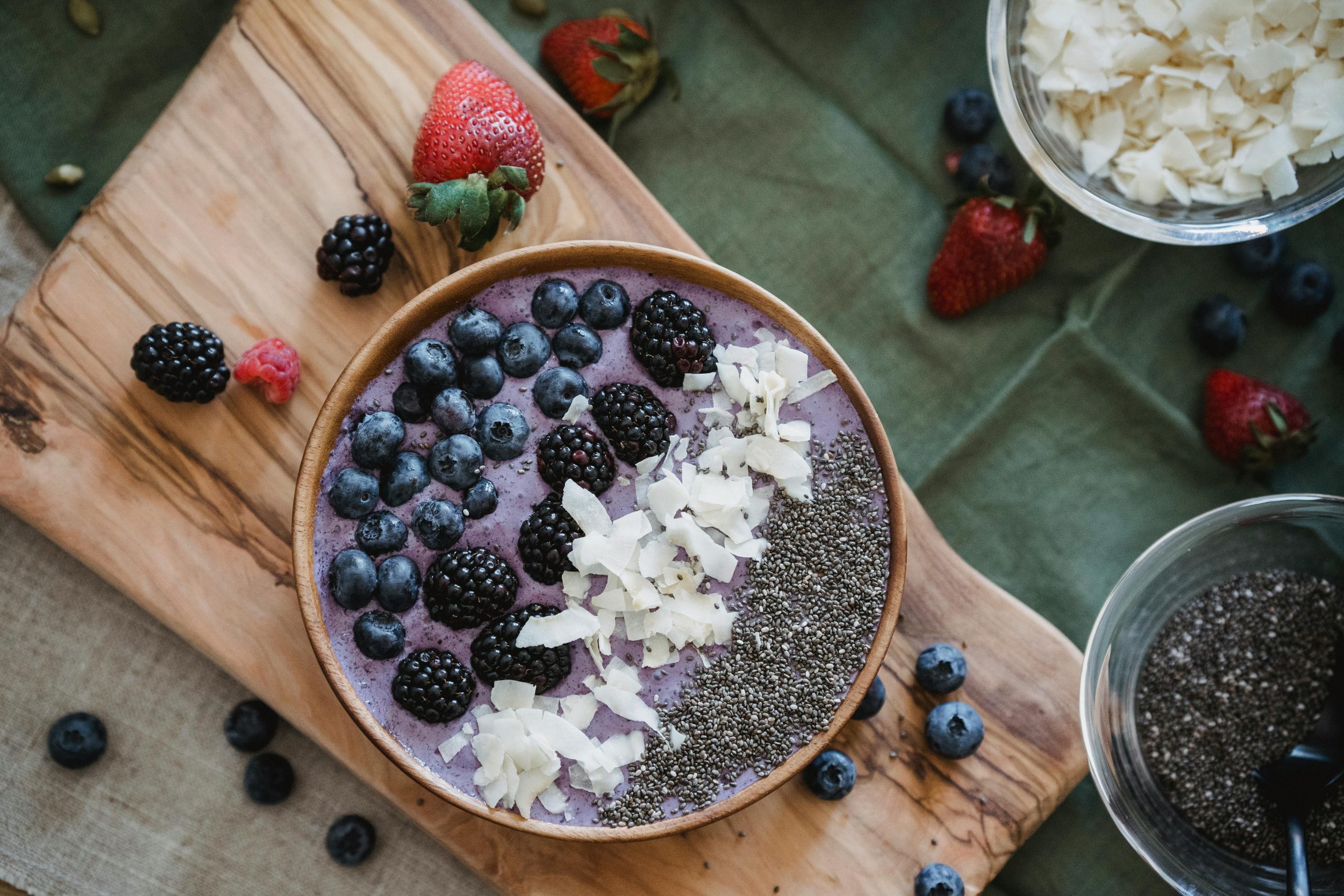
Before You Skip Breakfast, Read This
If you’re someone who often skips breakfast, maybe because you’re rushing, not hungry, or trying to eat less, this blog is for you.
Because even though skipping breakfast might seem harmless, it can actually make your day feel a lot harder without you even realising why.
Let’s talk about why.
Why breakfast actually matters
When you wake up in the morning, your body has been fasting for many hours.
Your brain, your muscles, and your hormones are waiting for fuel so they can get going.
If you don’t eat, your body has to get energy another way and the only option is to release stress hormones, especially cortisol.
This is why skipping breakfast can make you feel:
– stressed
– shaky
– tired
– moody
– anxious
– snacky or craving sugar later
It’s not you being dramatic.
It’s just your biology.
1. Skipping breakfast raises stress hormones
Cortisol is your wake up and get going hormone.
But when you don’t eat in the morning, your body pumps out even more of it to keep you going.
Too much cortisol can make you feel:
– tense
– overwhelmed
– jittery
– easily irritated
If you already deal with stress, burnout, perimenopause, or anxiety, skipping breakfast can make everything feel worse.
2. Your blood sugar drops and then crashes
Your brain needs steady blood sugar to think clearly.
When you skip breakfast, your blood sugar dips too low.
That’s when you get:
– brain fog
– lightheaded
– tired
– super hungry suddenly
– craving carbs or sugar
You might think you’re saving calories, but most people end up eating more later because their body is trying to catch up.
3. It slows down your metabolism
Your metabolism is like a fire, it burns better when you give it fuel early.
Skipping breakfast tells your body:
“Uh oh, we’re not getting energy today.”
So it tries to save energy instead of burning it.
This can make weight loss harder and make you feel more tired throughout the day.
4. It makes you more likely to overeat later
You know that feeling when you get home and suddenly want to eat everything?
That’s not lack of willpower, that’s biology.
Your body is doing its best to make up for missing fuel earlier.
Most people who skip breakfast end up:
– overeating at night
– craving quick carbs
– eating too fast
– feeling bloated after dinner
Eating earlier can balance this out.
5. It affects your mood and emotions
Your brain hates running on empty.
So when you skip breakfast, you might notice:
– irritability
– anxiety
– impatience
– low mood
– trouble concentrating
Kids and teens show this very clearly, but adults feel it too even if they don’t connect the dots.
A steady morning meal creates a steadier mood.
6. Your hormones need morning fuel (especially for women)
If you’re a woman in your 30s, 40s, or 50s, skipping breakfast can hit your hormones even harder.
Low fuel can throw off:
– thyroid
– cortisol rhythm
– hunger hormones
– sex hormones
– PMS symptoms
– perimenopause changes
Eating breakfast can help stabilise them and make the whole day feel smoother.
So, what should you eat?
You don’t need anything fancy or complicated.
Just aim for protein and carbs and healthy fats.
For example:
– oats with berries and nuts
– tofu scramble on wholegrain toast
– yoghurt with fruit and seeds
– a smoothie with protein
– chia pudding with nut butter
Even a small breakfast is better than skipping.
What if you’re not hungry in the morning?
This is actually a sign your stress hormones are too high.
Cortisol suppresses appetite.
You don’t need to force a full meal right away, start small:
– a handful of nuts
– half a banana
– a piece of toast
– a smoothie
– yoghurt
Eating a little something teaches your body to expect fuel again.
Over time, your natural hunger will come back.
Skipping breakfast might feel like no big deal
But it affects your stress, energy, mood, hormones, and cravings more than you think.
Your body works better (and feels better) when you give it steady fuel early in the day.
So before you skip breakfast tomorrow, remember this:
Your morning meal sets the tone for your whole day.
A calmer body, a clearer mind, and more stable energy all start with what you put on your plate.